Fifteen years building B2B products in solar, public safety, fintech, and adtech. Now leading AI product strategy in utility-scale solar, and shipping niche AI tools on the side.
I'm a product and design executive with 15 years of experience building platforms that operate in the real world. Solar fields, police cruisers and private equity back offices. If the problem is complex and the stakes are real, that's where I do my best work.
Most recently I was VP of Product at Raptor Maps, where I led pivots from a transactional inspection business to a global SaaS platform for utility-scale solar operations, and again to a SaaS powered robotics provider. I built the product and design org from scratch, drove 15x pricing power growth, and grew the user base 20x. My team had zero voluntary turnover in the first three years.
Before that I was the founding product manager at Mark43. I led the zero-to-one build of their records management system, which is now deployed globally. For Washington DC's police agencies alone, it cut report writing time by 60% and saved over 200,000 officer-hours a year.
Earlier in my career I worked on BX Access at Blackstone, their global investor portal supporting hundreds of billions in AUM, and before that led product at Adwerx where a connected TV product I launched hit seven figures in its first 90 days.
This summer I'm stepping into a Principal AI Product Manager role in utility-scale solar development. On the side, I build and incubate small, sharp AI tools through Viable Studio.
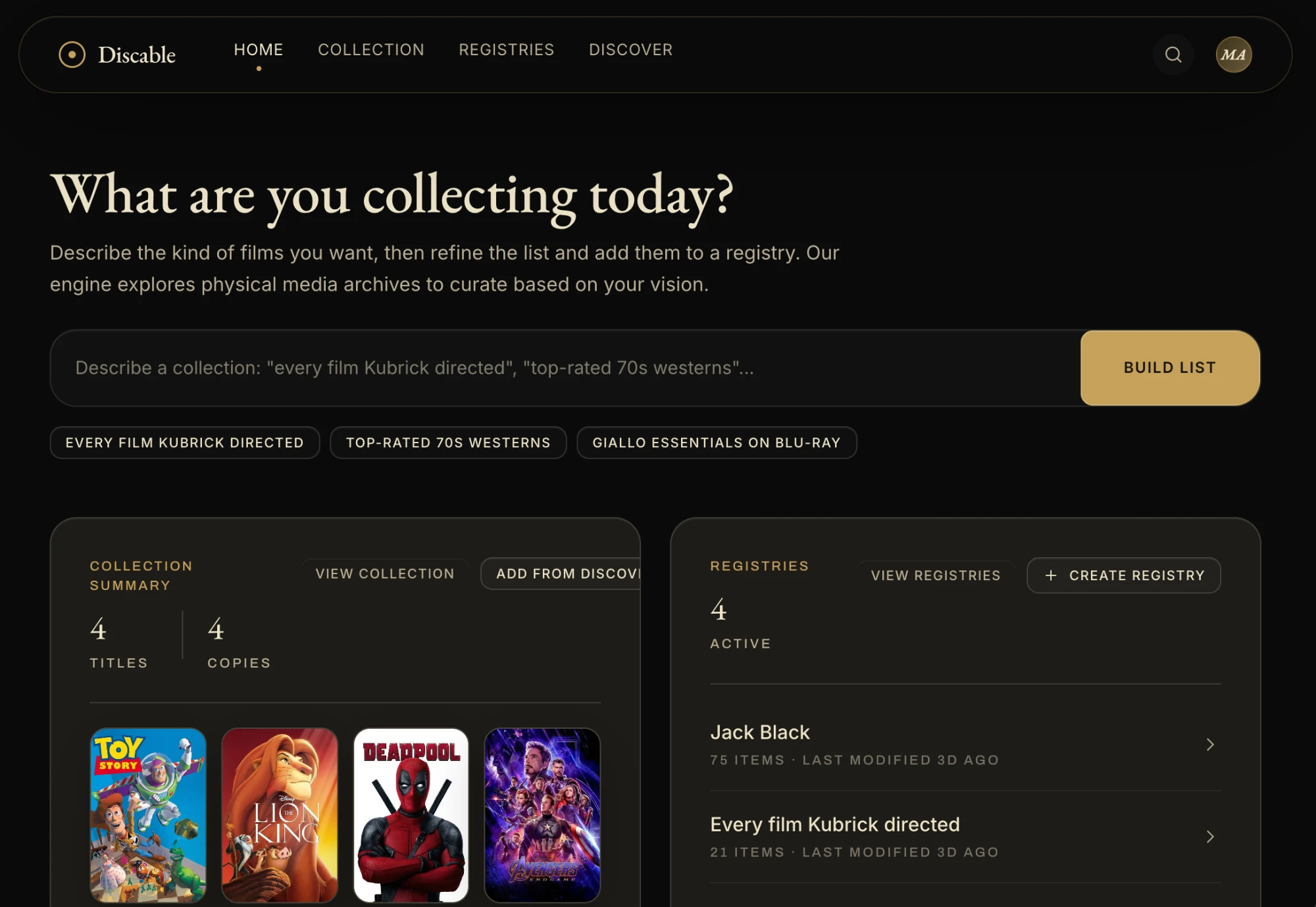
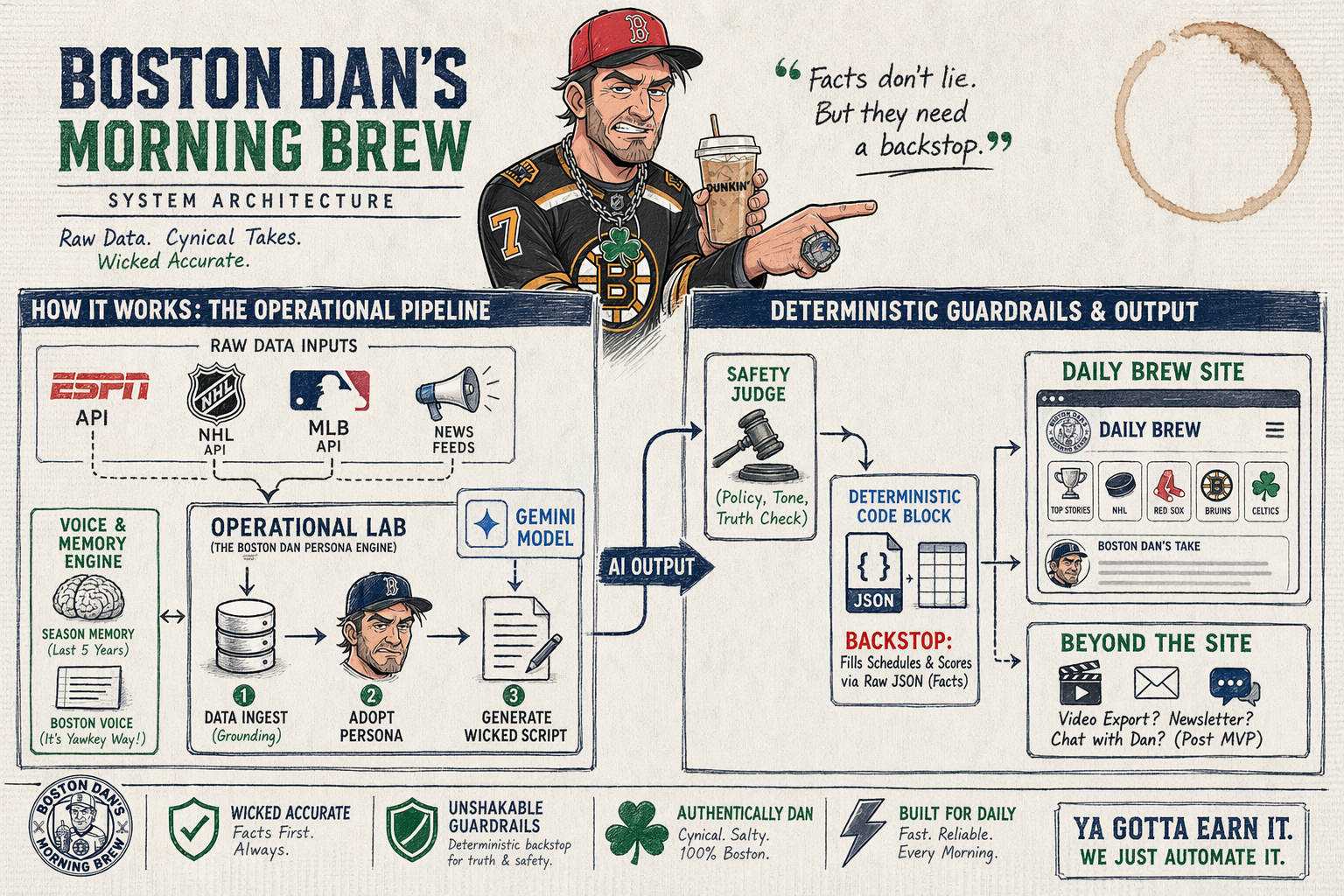
A boutique studio for building and incubating AI and SaaS tools for super-niche use cases.
Viable Studio is where I ship the products that are too small for venture scale and too useful not to exist. Tiny markets, opinionated tools, fast cycles.
01 / 03
Niche first
Markets too small for venture scale are perfect for sharp, opinionated tools. Small surface area, deep fit.
02 / 03
Ship, always
Every studio project goes live with real users and real feedback. Unshipped ideas don't count.
03 / 03
Taste is the moat
In a tiny market, craft is the differentiator. Design quality and product judgment carry the product.
Experience
Built for complexity.
15x
Platform pricing power growth
at Raptor Maps
200K+
Officer-hours saved annually
at Mark43
20x
User base growth in 3 years
at Raptor Maps
Expertise
Deep in the verticals that matter.
Solar & Storage
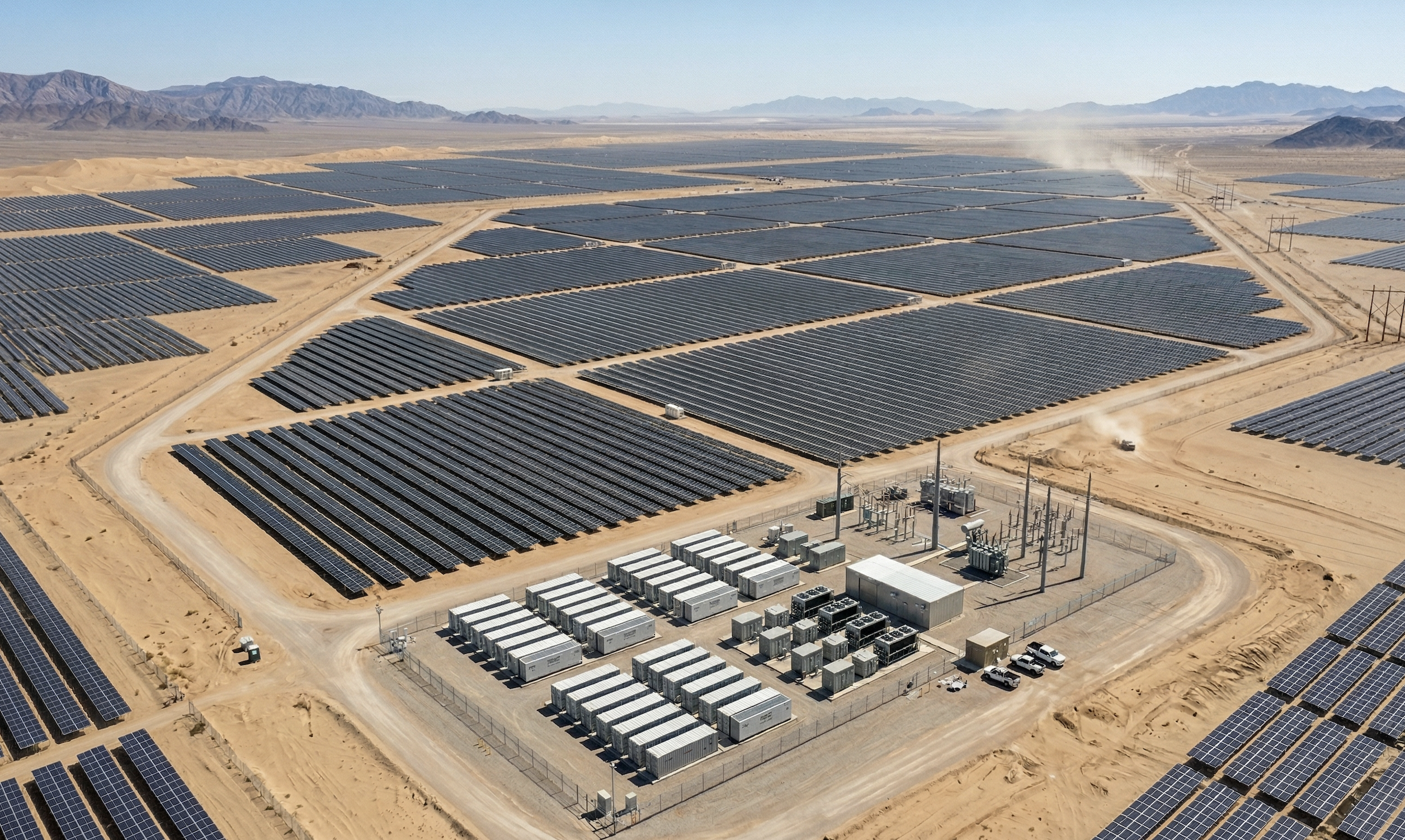
I spent over five years at the center of the utility-scale solar operations space, leading product at Raptor Maps through its evolution from a drone inspection services company to a globally deployed SaaS platform and pioneer in applied robotics. That experience gave me a ground-level understanding of how solar assets actually perform, why they underperform, and where software can close the gap.
The core problem Raptor Maps solved is unglamorous but critical: inspecting solar and storage arrays at scale is dull, dirty, dangerous and increasingly costly work. In a labor shortage, field technicians walking rugged terrain in all weather conditions, manually logging defects, losing precision and consistency across thousands of acres is a recipe for lost money. We automated that process using drones, AI-powered analytics, and 3D simulation, bringing machine-level precision to thermal and visual inspections and giving asset owners a digital twin they could actually act on.
Working directly with IPPs, O&M companies, asset managers, EPCs, and equipment manufacturers gave me a deep understanding of the full solar value chain and where the real operational pain lives. A recurring theme was the gap between project finance models and operational reality. Too many solar projects underperform relative to targets once they hit the operations phase, and there's ample opportunity to improve performance and financial return with the right data in hand.
Utility-scale solar operations and O&M workflows
AI-powered thermal and visual inspection analytics
Digital twins, 3D modeling, and AR applications for solar assets
BESS inspection and thermal anomaly detection for battery containers
Substation and point of interconnection inspection
IoT and data lake integrations across the solar asset lifecycle
Third party SaaS integration across the operations and asset management stack
Project finance fundamentals and the development-to-operations transition
The IPP, EPC, O&M, and asset management ecosystem and how they interact
GovTech
Public safety is one of the hardest environments to build software in. The users are under stress, the stakes are life and death, the procurement cycles are long, and the tolerance for failure is zero. I learned that as hire number six at Mark43, where I was the founding product manager and led product for their records management system from zero to launch, and into the scaling phase.
The RMS we built replaced legacy systems that in some cases were decades old. The design challenge was real: get experienced officers to change deeply ingrained workflows while reducing cognitive load, not adding to it while also leading change management across 38 police agencies at once as we launched. We shipped a platform that cut report writing time by 60% and saved DC Metro Police over 200,000 officer-hours annually. The platform went on to win the IXDA Connecting award and scale globally.
Building in that environment taught me things about regulated markets that apply across every complex industry I have worked in since.
Zero-to-one product development in regulated public safety environments
Records management systems and core law enforcement workflows
Designing for high-stress, low-error-tolerance end users
Navigating complex government procurement and stakeholder landscapes
Building product organizations inside early stage, high growth startups
Fintech
My fintech experience is rooted in one of the most demanding environments in finance: alternative asset management. At Blackstone I worked on BX Access, the firm's global investor portal serving limited partners across private equity, real estate, and other alternative asset classes.
The product challenge was partly technical and partly organizational. Consolidating fragmented legacy systems into a single platform that institutional investors would trust required as much change management as it did product thinking. One of my biggest lessons at BX was how important cross-functional relationships are: you need buy-in before you can make an impact, and that takes investment in understanding how others work, why their process matters, and how you can work together toward a shared outcome.
Investor-facing product for alternative asset managers
Private equity and real estate fund reporting and transparency
Enterprise portal design for institutional and high-net-worth audiences
Legacy system consolidation and workflow modernization
Stakeholder alignment in large, complex financial organizations
AdTech
At Adwerx I owned product strategy and monetization for a digital advertising product suite serving SMBs and enterprise customers across real estate, mortgage, and financial services. The work was fast, data-driven, and commercially focused in a way that sharpened instincts I use in every role since.
The highlight was leading the zero-to-one build of Adwerx's connected TV advertising product, which generated seven figures in revenue within its first 90 days. That launch required threading together ad inventory, audience targeting, creative automation, and a self-serve buying experience simple enough for a small business owner with no media background. We also sustained 93% enterprise retention while continuously expanding the product surface area across customer segments.
Self-serve and managed advertising platforms for SMBs and enterprise
Connected TV and programmatic advertising products
Monetization strategy and pricing for multi-segment platforms
Audience targeting, creative automation, and campaign reporting
Building and retaining enterprise customers on advertising technology platforms
AI & Agents
My interest in AI is practical, not theoretical. I am not chasing the hype cycle. I am trying to figure out what actually makes teams better, and what just makes them faster in ways that compound into worse decisions over time.
Right now I am building a personal product operating system in AI, inspired by Carl Vellotti's Claude Code for PMs course and Aakash Gupta's PM OS work. The goal is to create something I can roll out to a product and design team that fits our specific tools and workflows, rather than bolting generic AI onto existing processes and hoping for the best.
My working philosophy is that the teams who win with AI will be the ones who marry open and rapid experimentation with process and discipline. Unbridled AI use can produce speed without learning. The combination of structured process, rigorous thinking, and AI-powered ideation and execution is what leads to better decisions, faster iteration, and ultimately better products.
AI adoption strategy for product and design organizations
Building AI-powered operating systems for PM workflows
Balancing process discipline with AI-powered speed
Applied AI in physical industries: solar inspection analytics, digital twins, AR
Evaluating AI tools for product teams without getting distracted by novelty
The intersection of product management craft and emerging AI capabilities
Get in touch
Let's build something that matters.
I'm always up for conversations about climate, AI, and products that touch the physical world. If you're working on something interesting, say hello.



.svg.png)